In the school placement that attend at Richmond House Primary, there are huge ability differences across the group that we had been given to teach on a Friday afternoons. The problem that we faced as a coaching group was to be able to creates a session that suits all of the participants in terms of ability levels, that the strivers don’t find it too easy and the strugglers don’t find it too hard so that they lose engagement and gain nothing from the session. This happened in one of our sessions a couple of weeks into the placement as we thought we would have a very high level group as what we planned for and then on the day we then found out that all of the striver participants had gone on a fixture with the school so we had the strugglers left that we had identified in the first couple of weeks of doing sessions with these classes. Our problem was that we struggled to conduct a session where the higher ability participants that was left at the school from the fixture where training with the lower level ability participants.
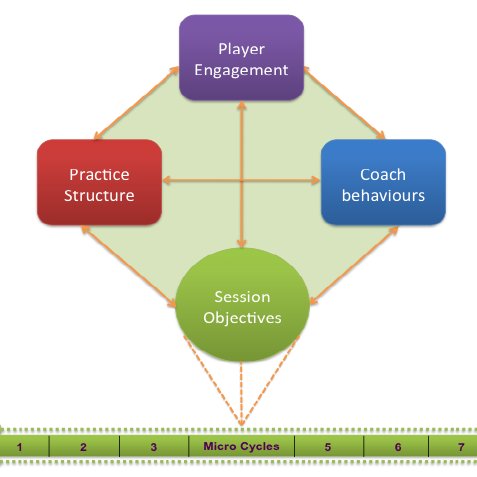
I took to conduct some research into how I could fix this problem for the next time I come across this type of session, I researched the coaching practice, planning and reflective framework (Muir, 2011) to help me with the problem that I have faced. This model consists of four main components such as: Player Engagement, Practice structure, Coach behaviour and Session objectives. The main thing I needed to look at was the Player engagement, the last thing I wanted to do in the session was for the participants engagement levels to be low as they won’t be learning anything so I need to implement that into my coaching session plan for next time along with different methods to keep the player engagement high enough so that the challenge point can be met by all of the participants.
I used the double-loop learning theory to look back on my actions and link the theory to what was going wrong within the session.
 Scott Turner - Sport Coaching Blog
Leave a comment